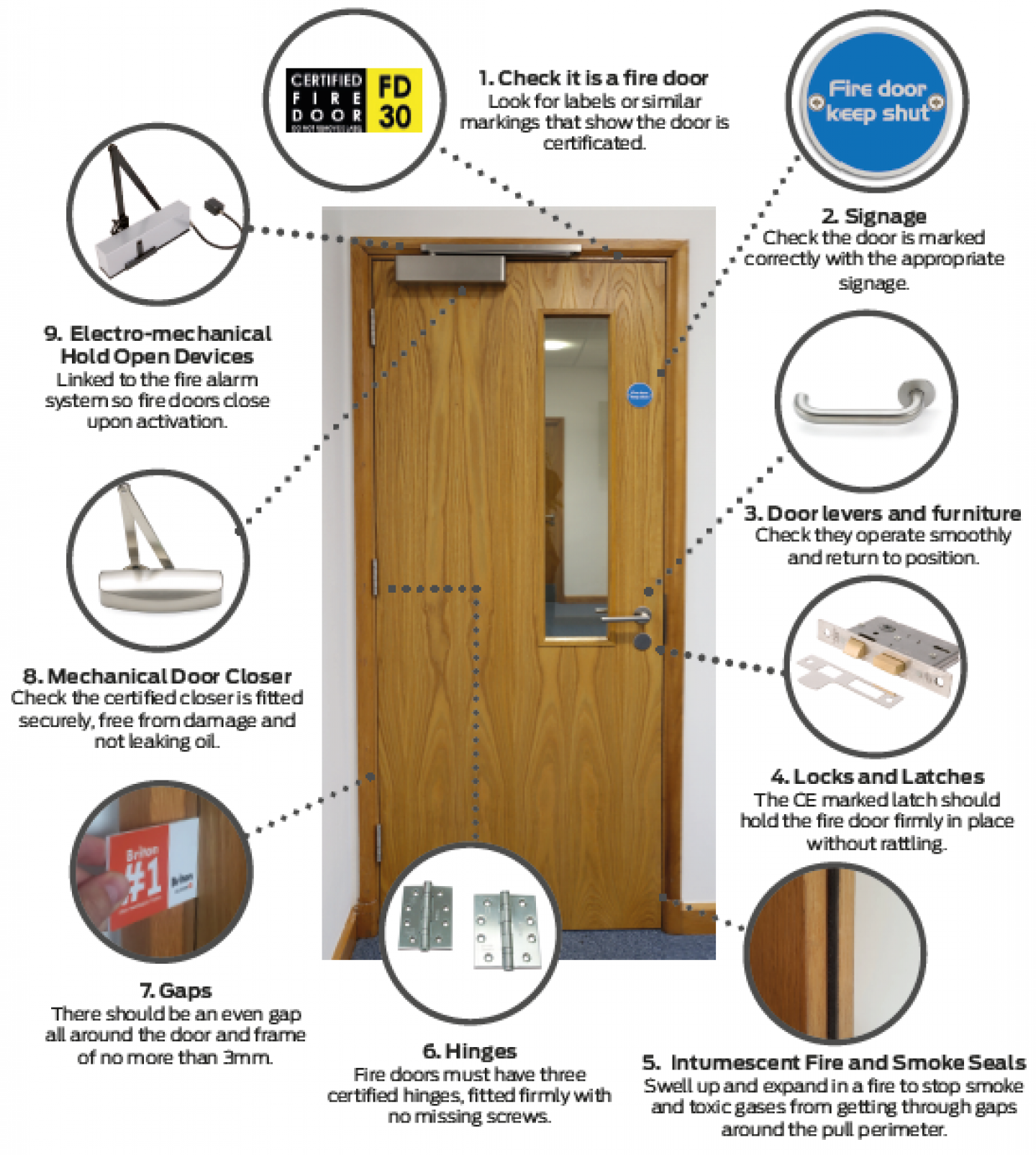
Where are Fire Doors Required
2025-12-26
Where are Fire Doors Required
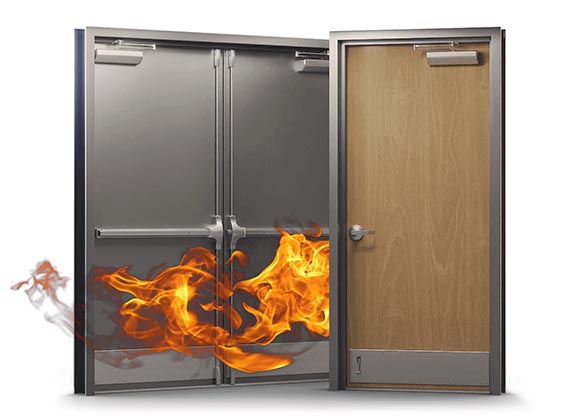
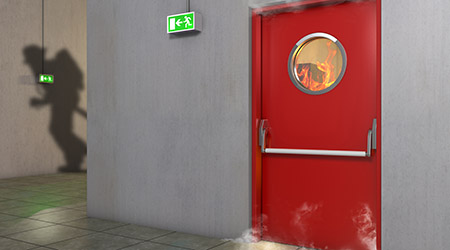
Fire doors play a critical role in protecting lives and property by compartmentalizing fire and smoke, providing safe escape routes, and allowing time for emergency response. Understanding where fire doors are mandated is essential for architects, builders, facility managers, and business owners to ensure compliance with building and fire safety codes. While specific regulations vary by country and local jurisdiction, the following areas generally require the installation of certified fire-rated doors.
1、 Separating High-Risk or Hazardous Areas
Boiler Rooms, Furnace Rooms, and Mechanical/Electrical Rooms: These spaces house equipment that poses a potential ignition hazard and must be separated from occupied areas.
Chemical Storage and Flammable Liquid Storage Rooms: Areas storing combustible materials require fire-rated enclosures to prevent the rapid spread of fire.
2、Occupancy Separations and Compartmentation
Between Different Occupancies in a Mixed-Use Building: For example, doors separating a residential apartment lobby from retail stores, offices, or underground parking garages.
Residential Unit Entrances: In apartment buildings, condominiums, and hotels, the doors to individual dwelling units typically must be fire-rated to protect occupants from fires originating in common areas or neighboring units.
二、Fire door location
Vertical Openings and Shafts
Elevator Lobbies: Doors to elevator lobbies are commonly rated to prevent smoke and fire from entering the elevator shaft, which can act as a chimney (stack effect).
Service Shafts and Chases: Doors accessing vertical shafts for utilities like electrical, plumbing, or HVAC must be sealed with fire doors.
三、Fire resistance rating of fire doors
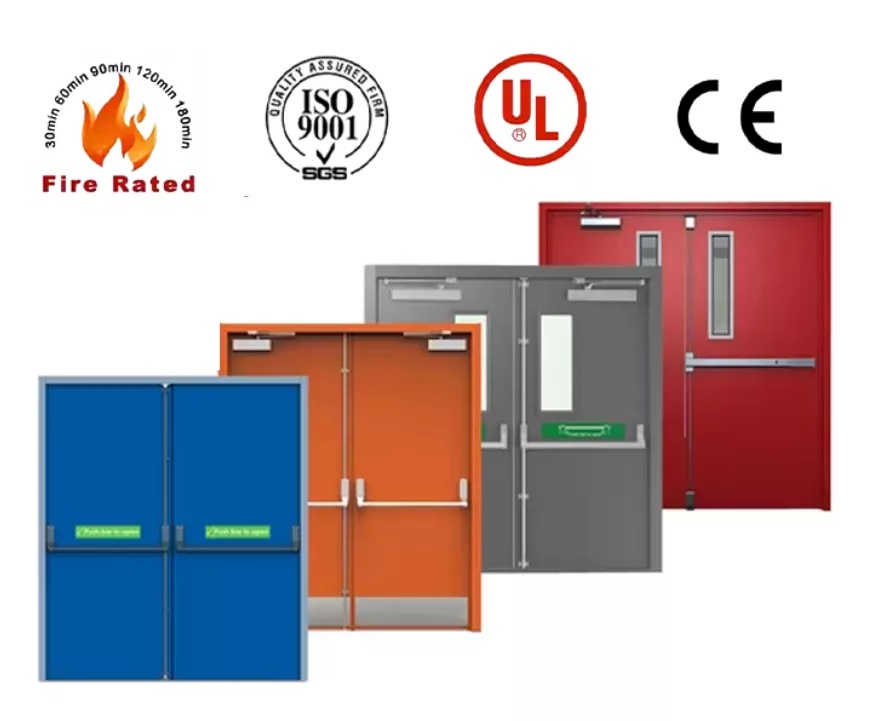
Fire Resistance Rating: The required rating (e.g., 20-minute, 45-minute, 60-minute, 90-minute, 3-hour) depends on the location, occupancy, and local building code. Ratings are determined by standard fire endurance tests.
Conclusion
The installation of fire doors is a fundamental component of passive fire protection. They are required in critical locations that form part of a building's fire safety strategy: protecting escape routes, isolating fire hazards, and preventing the vertical and horizontal spread of fire and smoke. Compliance with national standards (like NFPA 80 and NFPA 101 in the US, or the Building Regulations in the UK) and local codes is not optional—it is a legal and moral imperative for life safety. Always consult with a fire protection professional, architect, or local Authority Having Jurisdiction (AHJ) for the specific requirements applicable to any project.