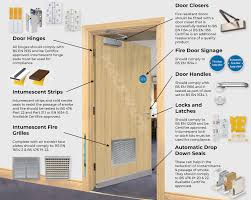
What are the specifications of a fire door?
2026-01-14
Core Specification: Fire Resistance Rating (Most Critical)
This is the primary specification of a
fire door, indicating its fire resistance limit, usually measured in hours (h). According to the Chinese national standard GB 12955-2008 "Fire Doors", fire doors are classified into:
Class A Fire Door: Fire resistance limit ≥ 1.5 hours. Used for firewalls in fire compartments, critical equipment rooms (e.g., substations, generator rooms), and stairwell entrances.
Class B Fire Door: Fire resistance limit ≥ 1.0 hour. Used for emergency stairwells, anterooms, elevator lobbies, and passageways in densely populated areas.
Class C Fire Door: Fire resistance limit ≥ 0.5 hours. Used for access doors to vertical shafts (e.g., cable shafts, pipe shafts), primarily to prevent the spread of fire and smoke through vertical shafts.
International/Other Regional Standards May Vary (e.g., Europe's EI60, EI90; the U.S.'s 90-minute, 3-hour ratings, etc.). Always verify local regulations when purchasing or using fire doors.
Fire doors come in standard sizes and can also be custom-made to non-standard dimensions, but they must comply with fire inspection regulations.
Common Standard Single-Leaf Dimensions (Width × Height, unit: mm):
Width: 900, 1000
Height: 2100, 2300
Common Specifications: 1021 (1000×2100), 0921 (900×2100), 1023 (1000×2300), etc.
Common Standard Double-Leaf Dimensions (Width × Height, unit: mm):
Width: 1200, 1500, 1800
Height: 2100, 2300, 2400
Common Specifications: 1521 (1500×2100), 1823 (1800×2300), etc.
Important Principles:
Doors for Evacuation: Must open in the direction of egress (typically outward) and be manually operable from either side when closed.
Opening Dimensions: Specify whether "opening dimensions" or "door leaf dimensions" are required when ordering. Fire door production dimensions are typically 15-30mm smaller than the opening dimensions to allow for installation and adjustment.
Custom-Made Non-Standard Doors: Sizes beyond or below the national standard range require customization but must be produced by qualified manufacturers and pass the relevant fire resistance tests.
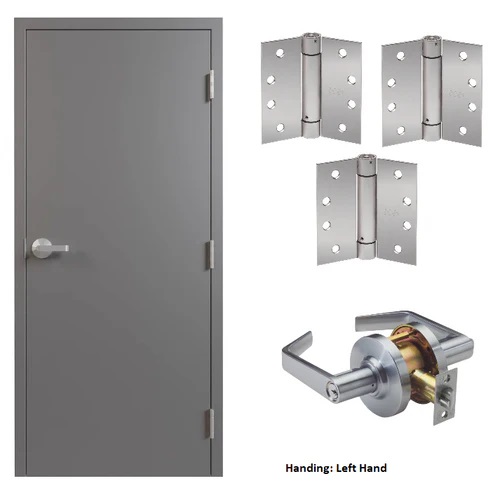
Fire door Material Specifications
Based on material, fire doors are mainly divided into four categories, each with distinct structures and applications:
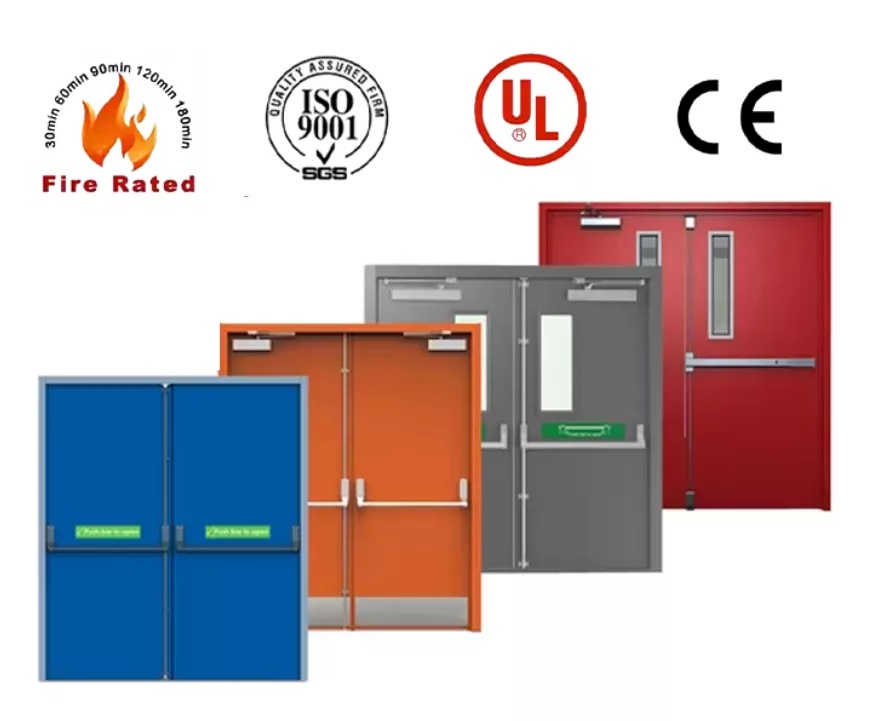
Steel Fire Door:Frame made of cold-rolled steel plates + fire-resistant filler (e.g., perlite), Common in equipment rooms, stairwells, and public areas.
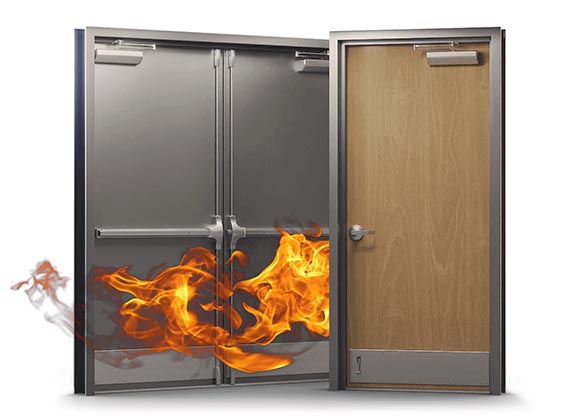
Wooden Fire Door:Treated fire-retardant wood + fire-resistant filler,Used in hotel rooms, offices, hospital wards, etc.
Steel-Wood Fire Door:Hybrid structure (steel frame + wood veneer), Used for fire exits requiring decorative appeal.
Other Materials:e.g., stainless steel, glass fire doors (requiring special fire-resistant glass),Stainless steel for humid or clean environments; glass fire doors for areas requiring transparency.
Key Takeaway:
The "specifications" of a fire door represent a systematic engineering requirement. Never focus solely on dimensions and price. Fire resistance rating, compliant materials and structure, Together, they ensure the critical protective function of fire doors during a fire. Always consult a professional fire protection engineer or supplier when purchasing.