

- Product description
- Main functions
- Basic Parameters
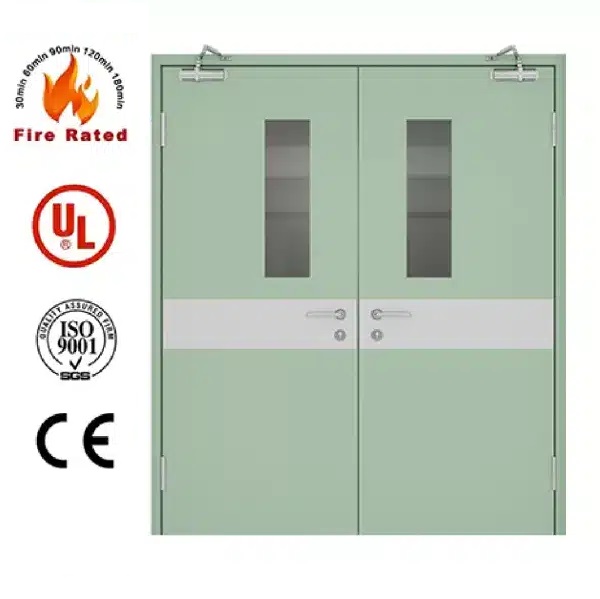
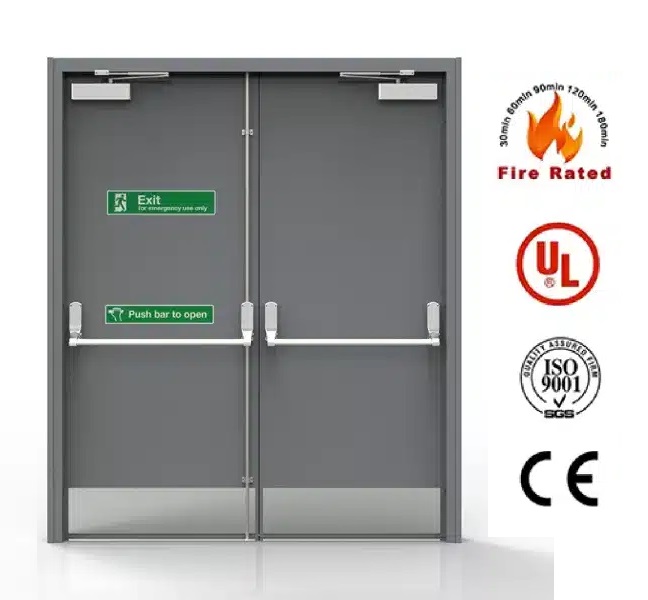
fire door residential FD30/FD60
Fire doors are available in varying levels of protection, broken down by intervals of time—generally 30 minutes(FD30), 45 minutes, and 60 minutes(FD60). These ratings indicate how many minutes of protection the door provided in a test environment. This is an important distinction, as the door may perform differently in an organic situation—the rating is not intended to be an exact measure of performance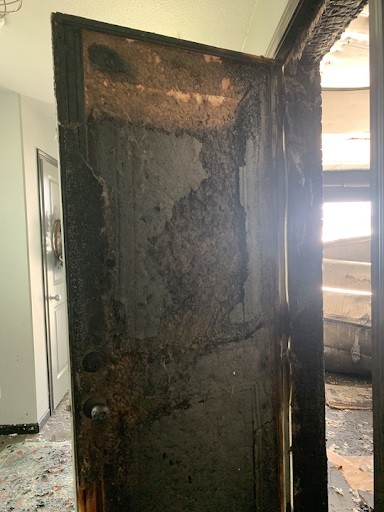
Code requirements will vary by geographic location and residential building type (single-family or multifamily)—both in terms of minute requirements and the placement of a fire-rated door. It’s best to consult with a professional and review your local requirements to ensure you are meeting any necessary specifications. In residential buildings, the most common placement of fire-rated doors is in entryways, corridors, and at the access point between garage and house.
Requirements of a fire-rated residential door and entryway
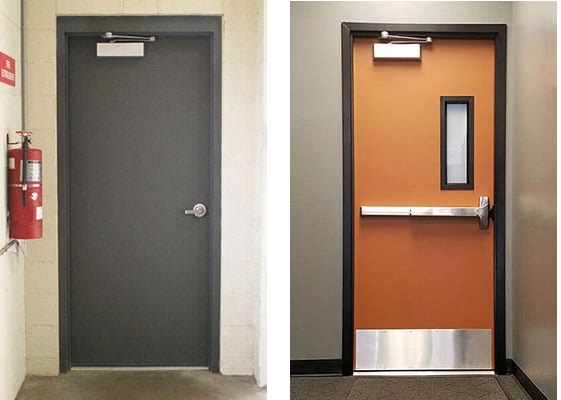
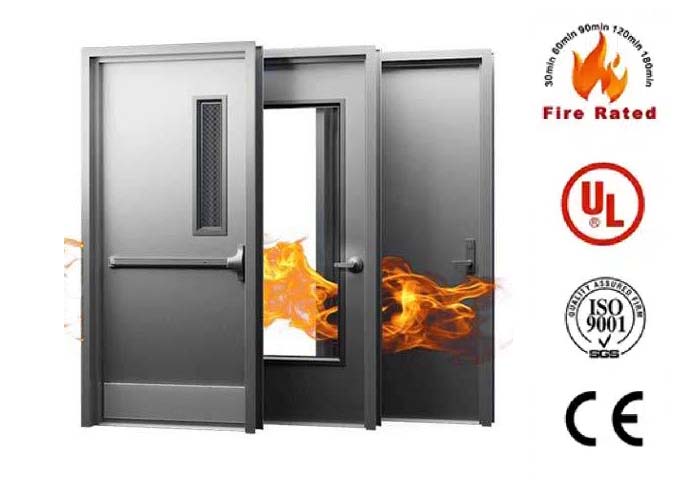
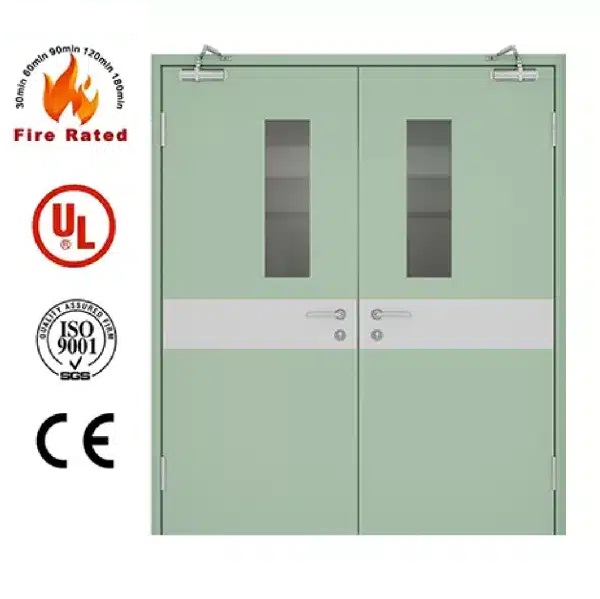
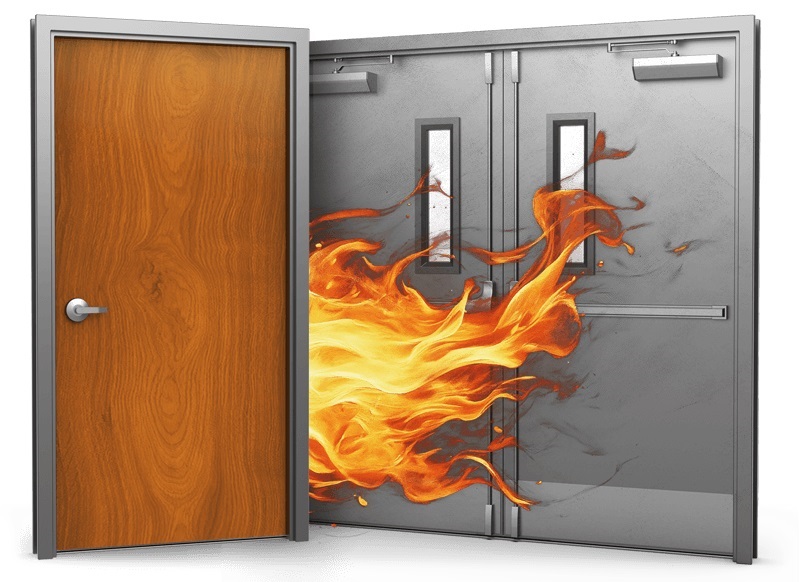
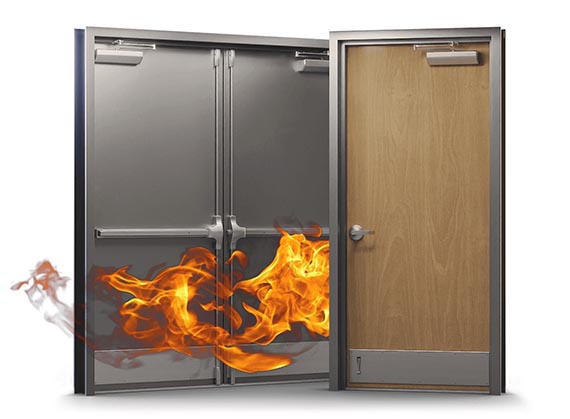
To comply with fire codes and standards, fire-rated doors are often made with steel or fiberglass material. Fire-rated residential doors are designed to confine fires to a certain area of a residential building and prevent fire and smoke from spreading throughout an entire house or complex. These doors are rated to provide a specific Fire Resistance Level (FRL), which tests structural adequacy, structural integrity, and insulation.Testing for fire-rated residential doors
Fire-rated residential doors undergo a series of tests to achieve their rating. Most notably is the endurance test, which measures the door’s ability to withstand heat over a certain period of time, hence the various minute ratings. The door is exposed to heat up to 1925 degrees Fahrenheit for up to 180 minutes. The door is measured on how long it stays intact within the frame with no openings.Additional tests include the hose stream test, which measures the door’s ability to withstand a fire hose from 20 feet away. Doors with a 20-minute rating are exempt from this test in the US—however, the test is required for all ratings in Canada. Doors may also undergo the temperature rise test, which measures the door’s ability to control heat transfer from the fire side to the non-fire side over the first 30 minutes of the endurance test. Temperature rise ratings range from 250 to 650 degree Fahrenheit.
Fire doors are available in varying levels of protection, broken down by intervals of time—generally 30 minutes(FD30), 45 minutes, and 60 minutes(FD60). These ratings indicate how many minutes of protection the door provided in a test environment. This is an important distinction, as the door may perform differently in an organic situation—the rating is not intended to be an exact measure of performance
Code requirements will vary by geographic location and residential building type (single-family or multifamily)—both in terms of minute requirements and the placement of a fire-rated door. It’s best to consult with a professional and review your local requirements to ensure you are meeting any necessary specifications. In residential buildings, the most common placement of fire-rated doors is in entryways, corridors, and at the access point between garage and house.