

- Product description
- Main functions
- Basic Parameters
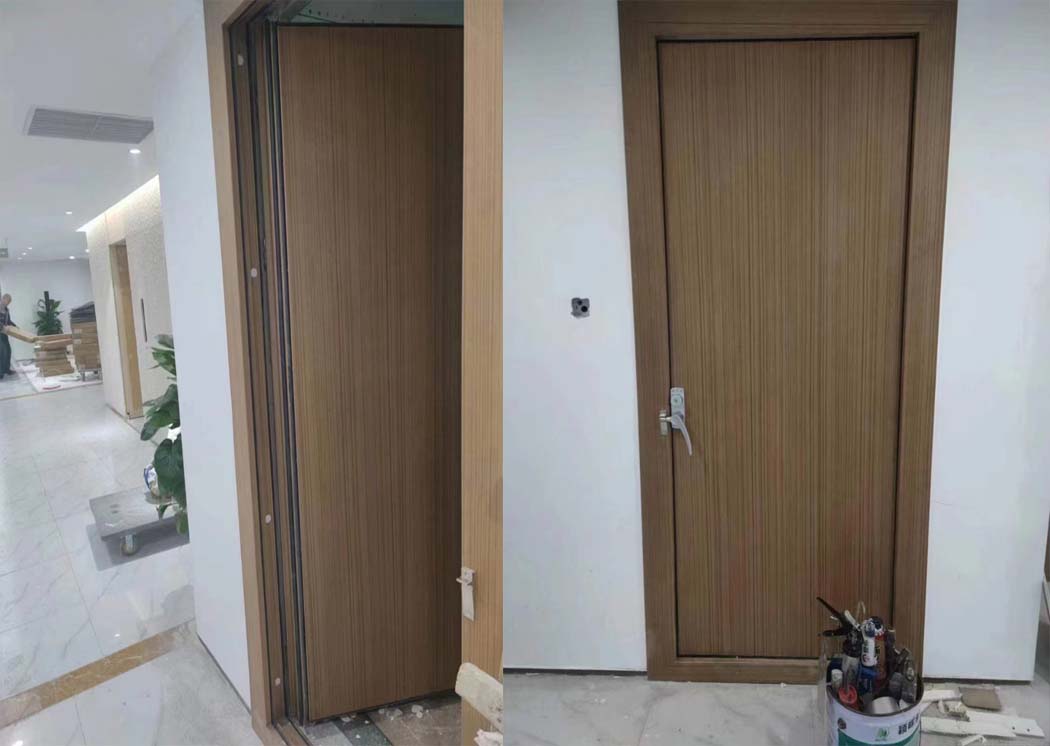
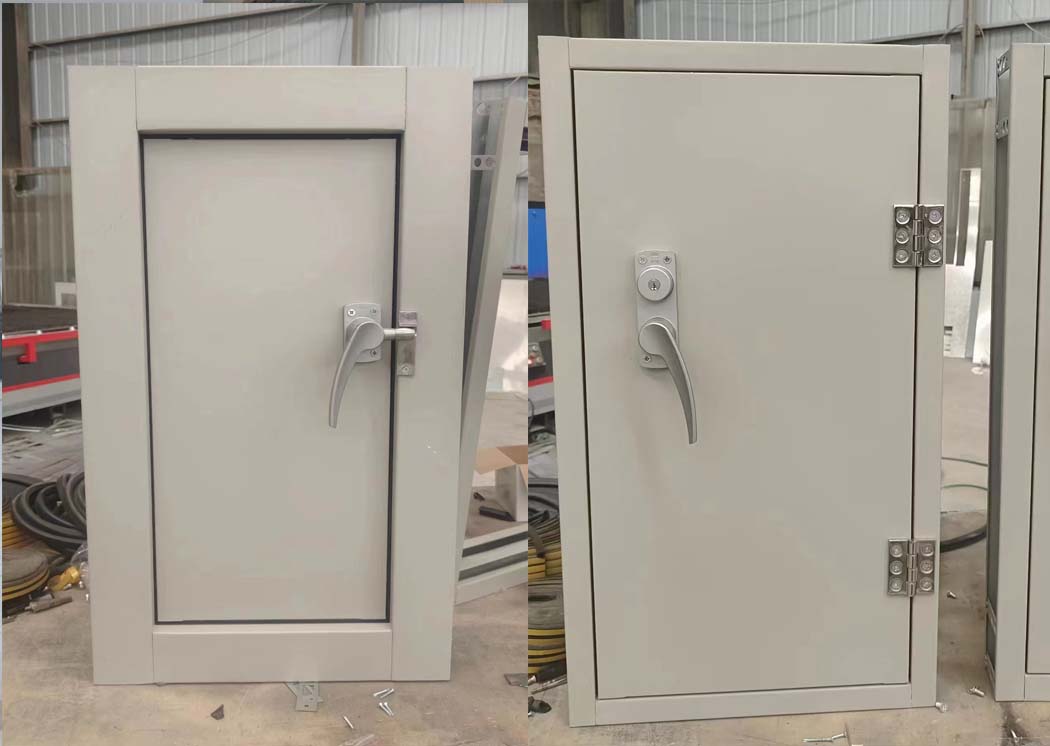
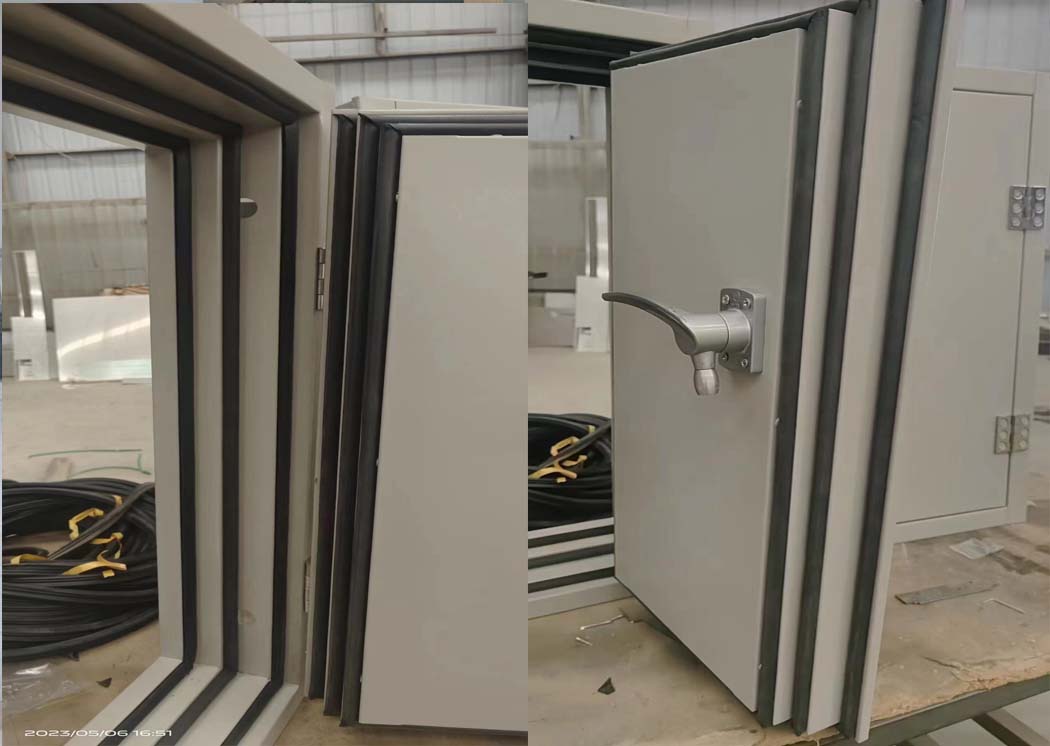
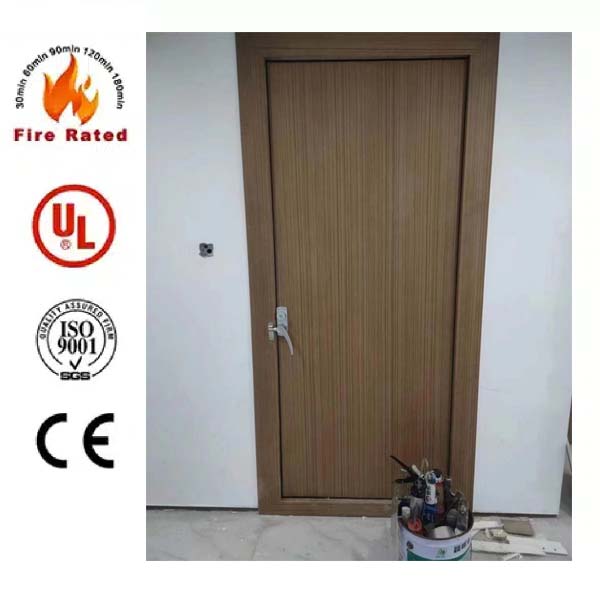
Acoustic fire doors are critical safety and functional components in modern architecture, especially for high-rise buildings, public spaces, and facilities with special purposes (such as hospitals, laboratories, and recording studios).
Core Definition and Standards
Acoustic Fire Door: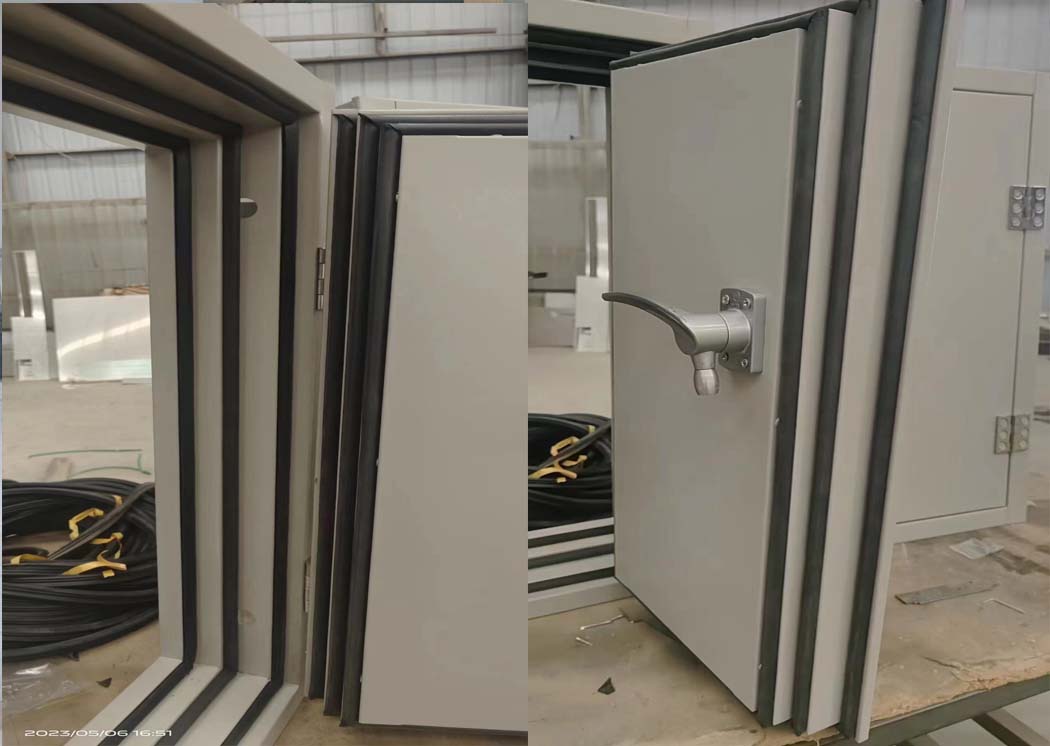
Fire Door:
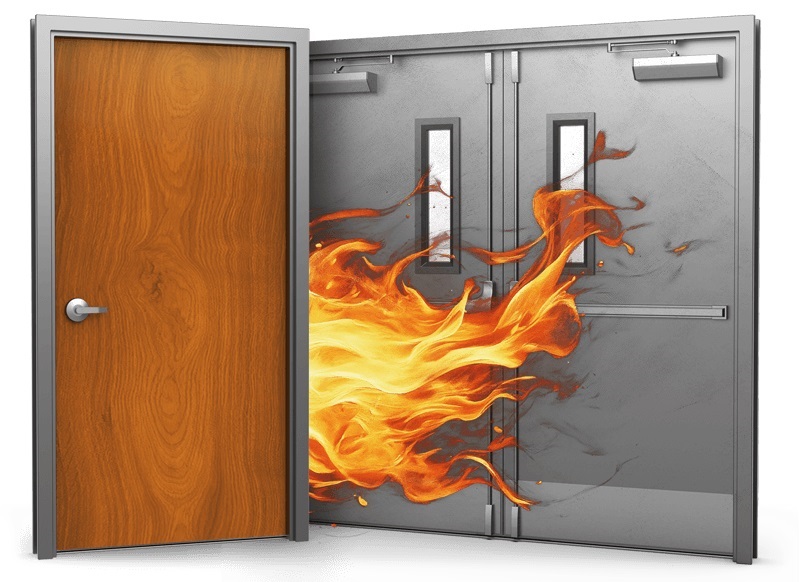
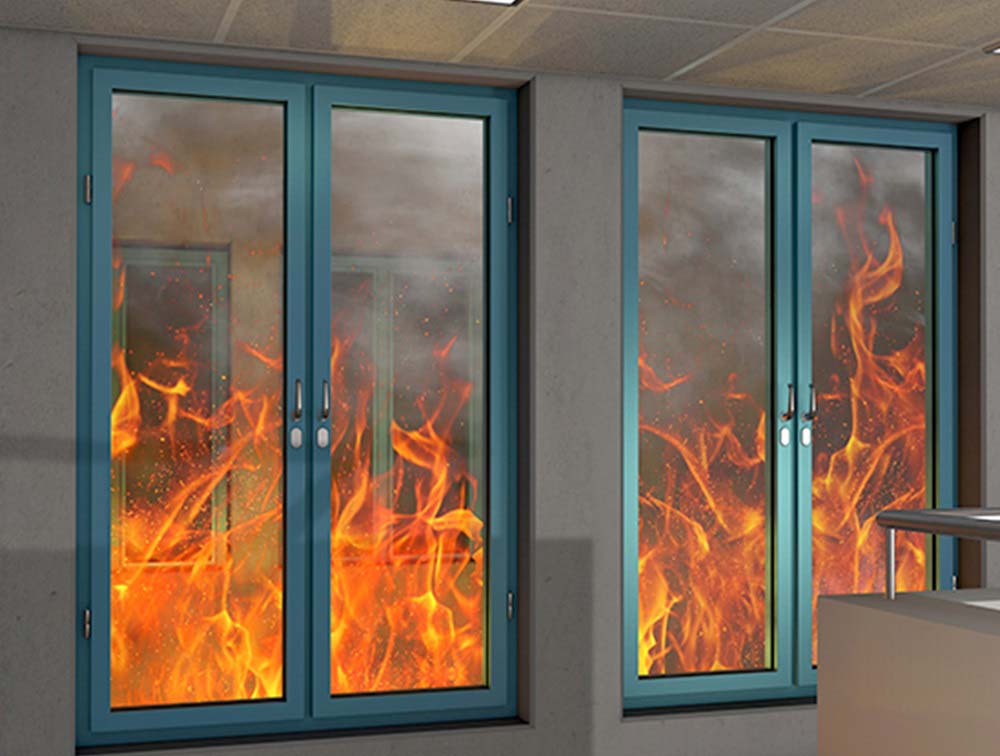
In the event of a fire, it can meet the requirements for fire resistance integrity, thermal insulation, and even smoke resistance for a specified period (e.g., 0.5 hours, 1.0 hours, 1.5 hours). Primarily governed by fire codes.
Acoustic Door:
Effectively blocks the transmission of airborne sound, reducing the passage of sound from one space to another. Primarily defined by acoustic performance metrics.
Acoustic Fire Door:
Combines both functions. It must simultaneously pass certification tests by national authoritative bodies for both fire resistance performance and airborne sound insulation performance.
Key Performance Standards:
Fire Resistance: Chinese standards commonly use Class A (≥1.5h), Class B (≥1.0h), Class C (≥0.5h). International standards often use EI60, EI90, EI120 (E for integrity, I for insulation, number for minutes).
Sound Insulation: The Chinese standard uses Weighted Sound Reduction Index (Rw), measured in decibels (dB). Common ratings for acoustic fire doors include Rw 35 dB, 40 dB, 45 dB, etc. A higher value indicates better sound insulation. Internationally, STC (Sound Transmission Class) ratings are also commonly used.
Primary Applications
Public Buildings: Hospitals (operating rooms, ICUs, audiometric booths), theaters, concert halls, cinemas, conference rooms.
Research & Education: Laboratories, recording studios, broadcasting rooms, classrooms, libraries.
Commercial & Residential: High-end hotel rooms, KTV rooms, premium office building meeting rooms, high-end residential entry doors, and home theaters.
Industrial Facilities: Factory control rooms, equipment rooms (e.g., generator rooms, pump rooms).
An acoustic fire door is a systematic engineering product, combining materials science, acoustic design, mechanical structure, and precision installation. When selecting one, it should be considered as a "performance system" rather than a simple "door product." Ensuring every step—from design and procurement to installation and inspection—meets professional standards is essential to truly realize its value in providing safety and tranquility.
An acoustic fire door is a systematic engineering product, combining materials science, acoustic design, mechanical structure, and precision installation. When selecting one, it should be considered as a "performance system" rather than a simple "door product." Ensuring every step—from design and procurement to installation and inspection—meets professional standards is essential to truly realize its value in providing safety and tranquility.
Acoustic fire doors are critical safety and functional components in modern architecture especially for high-rise buildings public spaces and facilities with special purposes (such as hospitals laboratories and recording studios).
Fire Door: In the event of a fire it can meet the requirements for fire resistance integrity thermal insulation and even smoke resistance for a specified period (e.g. 0.5 hours 1.0 hours 1.5 hours). Primarily governed by fire codes.
Acoustic Door: Effectively blocks the transmission of airborne sound reducing the passage of sound from one space to another. Primarily defined by acoustic performance metrics.